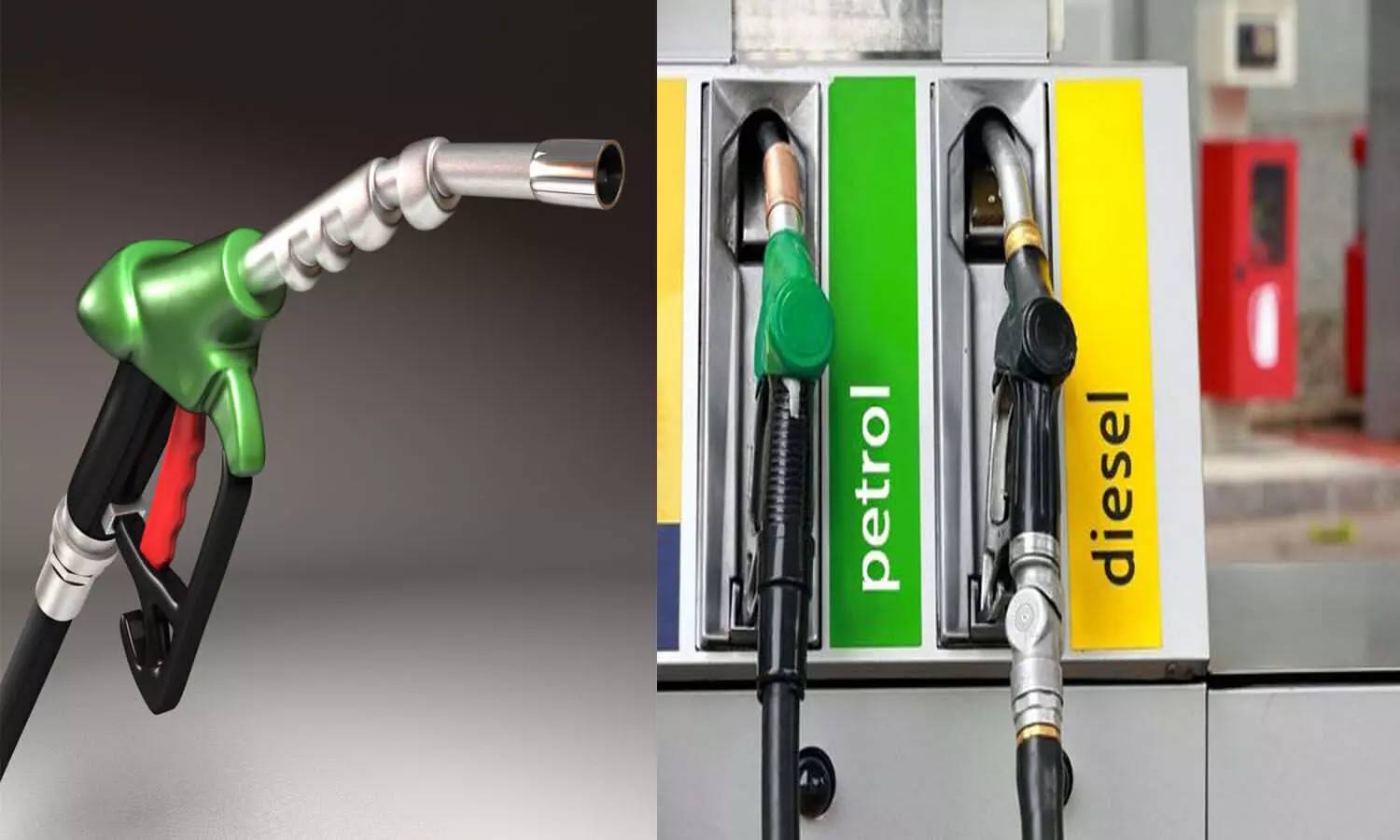
Petrol prices declined by 11.81 per cent year-on-year in December 2025, according to the latest data released by the National Bureau of Statistics (NBS).
The NBS said the average price paid by consumers for Premium Motor Spirit (PMS), commonly known as petrol, fell to ?1,048.63 in December 2025, compared with ?1,189.12 recorded in December 2024. On a month-on-month basis, prices also eased by 1.20 per cent from ?1,061.35 in November 2025.
The data were contained in the NBS PMS Price Watch Report for December 2025, compiled through nationwide data collection covering all 36 states and the Federal Capital Territory (FCT), Abuja.
According to the Bureau, petrol price data were gathered from sample retail outlets across Nigeria’s 774 local government areas, involving more than 10,000 respondents.
The exercise was conducted by over 700 NBS field officers under strict quality control supervision, using structured monitoring and reporting guidelines.
The report reflects weighted estimates based on household fuel expenditure patterns and actual pump prices paid by consumers, with average prices computed for each state and geopolitical zone.
Fuel prices have remained under close scrutiny since the Federal Government removed petrol subsidies in mid-2023, a policy decision that triggered sharp price increases and contributed to broader inflationary pressures across the economy.
The subsidy removal led to a surge in transport costs, which in turn pushed up food prices and weakened household purchasing power, particularly among low-income earners.
While the December decline suggests a moderation in price pressures, petrol prices remain significantly higher than pre-subsidy levels. Analysts caution that price volatility persists, driven by foreign exchange fluctuations, global crude oil prices and domestic supply chain constraints.
Earlier NBS data showed that petrol prices rose sharply through much of 2024 and 2025. In June 2025, for example, the average retail price stood at ?1,037.66, representing a 38.32 per cent increase from June 2024, underscoring the scale of post-subsidy adjustments.
State-level price disparities have also remained pronounced, reflecting differences in transportation costs, supply logistics and local market dynamics.
Previous PMS reports indicated that northern and coastal states often record divergent price trends, a pattern that continues to shape consumer experiences nationwide.
The NBS said the PMS Price Watch is published monthly to support evidence-based policymaking and provide timely insights into fuel price movements, given petrol’s central role in Nigeria’s economy.
Despite the December moderation, economists note that sustained price stability will depend on improved domestic refining capacity, more efficient fuel distribution systems and a more stable foreign exchange environment.