As medical errors continue to rank among the leading causes of preventable harm globally, Nigeria’s health system is facing renewed scrutiny over failures that have left families grieving and patients permanently scarred. From omitted medications and wrong clinical judgments to delayed emergency care, these lapses, often unknown to the public, have become a recurring feature of hospital encounters. While high-profile deaths have triggered public anger, the less privileged are left to mourn in silence. Experts believe that medical negligence can be drastically reduced through stronger clinical governance, improved training, and a shift from the blame game to system overhaul, IJEOMA NWANOSIKE and NKECHI ONYEDIKA-UGOEZE report.
Awele was only 27 when what should have been a simple medical decision became a lifelong burden. Now in her early 40s, she still remembers the day a doctor’s judgment at a hospital in Abakaliki altered the course of her life.
From the onset of puberty, Awele had struggled with intense menstrual pain, which only got worse with age. A scan later revealed a growth in her womb.
According to her, a junior radiographer cautioned that surgery could be risky and might damage her womb, warning that the mass was not as straightforward as it appeared, with no clear boundary between unhealthy and healthy tissues. The consultant surgeon in charge, however, dismissed the concern.
“He assured me that the procedure was going to be a straightforward, simple one and that my womb would remain intact. I trusted him completely,” Awele said with tears.
During surgery, the warning proved accurate. The growth was deep in the muscle and entangled with delicate tissue, making removal complicated and dangerous.
After the operation, Awele was told the damage was irreversible, but the consequences extended far beyond the operating theatre.
At that time, Awele was in a six-year relationship and hoped to marry and have children. Unfortunately, the loss of her womb ended the relationship and shaped the rest of her life.
“The doctor said it was either my womb or my life. Of course, without my contribution, the decision had already been made for me. I wanted to be a mother, but that dream was taken from me one day,” she lamented.
Decades later, the grief remains. Awele said she has learned to cope, but the sense of loss resurfaces very often – at birthdays, family gatherings and festive seasons. “It’s not just about my womb; it’s about a future that was erased. That single medical error stays with me for the rest of my life.”
For Sharon, it was a different story. The cost of medical failure resulted in the death of her 70-year-old mother, Alice. Alice entered the health system alive but never came out the same.
Until November 2025, Alice had never been admitted to any hospital. She lived alone in her Anthony Village home in Lagos, managed hypertension and cataracts, and remained mentally alert. Her sudden illness began with fever and weakness. Laboratory tests later showed malaria alongside critically low potassium levels. After receiving antimalarial drugs and intravenous potassium, she regained consciousness within 48 hours and was discharged.
But days later, her condition worsened, and Alice fell at home. She was readmitted after her family rushed her back to the hospital, and from that point on, Sharon said, her mother never fully recovered.
At the private facility, Alice became increasingly unresponsive, while repeated tests continued to show infection and electrolyte imbalance. Sharon said doctors later discovered that a nurse on duty had omitted some of the prescribed medications, an error that ultimately led to her mother’s rapid neurological decline.
Alice, who had no prior history of seizures, began to convulse and suddenly required oxygen support. As breathing deteriorated, her condition worsened, and the family sought to transfer her to a government teaching hospital for advanced care as recommended by the doctors on duty.
On getting to the facility, Alice spent about six hours in an ambulance waiting for the medical team to prepare a bed space, even after the family agreed to pay more than N1 million upfront for intensive care. During this period, her oxygen supply became inconsistent.
Doctors insisted on an X-ray despite her unstable condition, and Sharon said her mother was taken off oxygen entirely during the procedure. Shortly afterwards, she stopped breathing.
By the time Alice was eventually admitted into intensive care, it was too late. Resuscitation efforts lasted nearly an hour before she was pronounced dead.
Sharon is uncertain about the exact medical cause of her mother’s death. But she is also wondering whether delayed attention, financial barriers, lapses in basic care such as oxygen delivery, and prolonged transfers should ever have occurred for a critically ill patient who needed a lifesaving treatment.
For Sharon, her mother’s death was not an isolated tragedy, but evidence of a healthcare system that repeatedly fails to place patient safety first.
Awele and Sharon are not alone in this unsavoury ordeal. Mrs Christabel, a businesswoman, went to a Private hospital in the Ikotun area of Lagos to give birth. After the session, she had some postnatal haemorrhage, so the doctors inserted multiple maternity pads into her private part.
“After it was controlled, they discharged me, and we went home. However, two weeks later, I noticed that whenever I opened my mouth, I perceived an offensive odour coming out. It made me so uncomfortable.
“Also, each time I went to the bath, I sensed the same putrefying odour coming out of my private part. Seriously worried about this, I inserted my fingers and felt an object. I grabbed and pulled a thread I touched. Surprisingly, about two of these thick postpartum pads had been left inside of me to rot.
“I felt so relieved pulling the rubbish out. The abdominal pain that accompanied it, which I thought was a mild postnatal discomfort, immediately disappeared, too. I was very incensed by this development and wanted to tackle the hospital, but my husband prevailed on me to let go and praised God that it wasn’t a more complicated issue,” she narrated.
These experiences mirror the harsh reality faced by many Nigerians nationwide. While some have been sent to early graves, others are living with life-threatening conditions or permanent disabilities, often linked to negligence by hospitals or medical personnel.
Medical negligence occurs when a health professional deviates from accepted standards of care, resulting in harm. It includes misdiagnosis, improper treatment, surgical errors, and inadequate patient monitoring. While negligence/errors are preventable, their consequences are often irreversible.
Globally, medical errors remain a public health concern. The World Health Organisation identified medication errors as a leading cause of avoidable harm, estimating that unsafe care contributes to more than three million deaths worldwide each year, with up to 80 per cent of harm considered preventable. Beyond human suffering, the WHO estimates that medical errors cost the global economy about $42 billion yearly, nearly one per cent of total global health expenditure.
Low and middle-income countries bear a disproportionate share of this burden, and according to the global health body, medication-related adverse events occur more frequently in these settings, yet remain under-reported due to weak systems, limited surveillance, and constrained resources.
Nigeria on the cusp of medical negligence
STUDIES conducted nationwide indicate that medication administration errors are the most common form of medical error, followed by intraoperative errors, transfusion errors, laboratory failures, and miscommunication with patients.
A 2025 study published in the African Research Journal of Medical Sciences by Bodeno Ehis et al. found that 58.6 per cent of health workers surveyed across primary and tertiary facilities in Okada, Edo State, admitted to having made a medical error. Among these, dose omission is responsible for over 60 per cent of such mistakes. Laboratory errors, wrong communication with patients, misdiagnosis, equipment failures, surgical errors, and hospital-acquired infections were also reported.
Public perception reflects these findings. In September 2025, a nationwide poll by one of Nigeria’s leading country-specific opinion polling and research organisations – NOIPolls Limited found that 43 per cent of respondents reported personal or witnessed experiences with medical errors or near-miss incidents.
Trust, meanwhile, continues to erode in the sector too. A 2024 JAMA Network Open study documented a sharp decline in public confidence in physicians and hospitals, falling from 71.5 per cent in April 2020 to 40.1 per cent in January 2024.
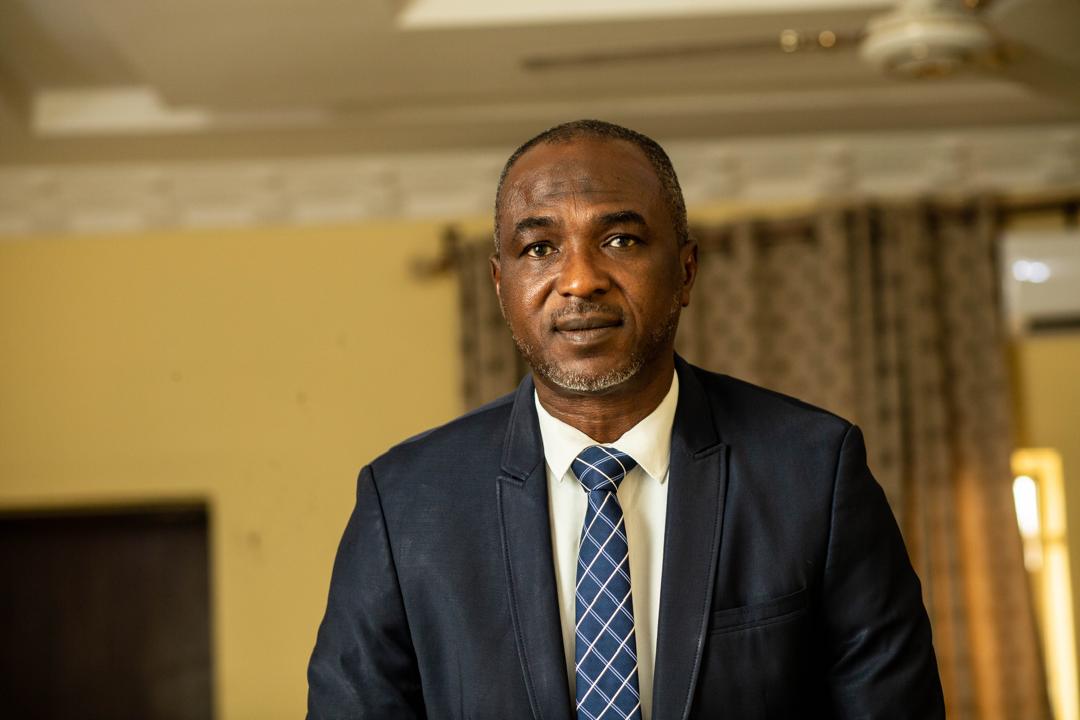 NMA President, Prof. Bala Audu
Among surgeons, the picture is equally troubling. A 2023 cross-sectional study published in the Journal of Medical Science and Clinical Research found that wrong judgment accounted for over 93 per cent of surgical errors among Nigerian surgeons surveyed. More than half of the surgeons who participated in the survey admitted to making fatal errors, yet fewer than 40 per cent disclosed them. Additionally, nearly two-thirds reported that no institutional protocol for managing errors existed at their workplace.
For early-career doctors, a study titled “Prevalence and determinants of medical errors among Early Career Doctors (ECD) in Nigeria” by Kehinde Kanmodi and his team spanning across tertiary hospitals in five of Nigeria’s six geopolitical zones found that four out of every 10 ECD involved in the study had been involved in a medical error within the previous year.
 Prof. Muhammad Ali Pate. PHOTO: FaceBook
Meanwhile, recent high-profile cases have intensified public anger. Allegations surrounding the death of novelist Chimamanda Adichie’s 21-month-old son at a private Lagos hospital, including claims of denied oxygen and excessive sedation, ignited national debate and prompted a government-ordered investigation. At the moment, the Medical and Dental Council of Nigeria (MDCN) has suspended the doctors involved in the incident in its preliminary report, pending the conclusion of the investigation.
Days later, there was a public outrage, following the death of Aisha Umar, a mother of five in Kano. Her family alleged that surgical scissors were left inside her abdomen during an operation at a state-run facility, causing months of pain before her death.
The Kano State Hospital Management Board announced the suspension of three personnel and pledged to conduct further investigations.
For many families, these cases amplified grievances they say have long been ignored.
MDCN: A regulator’s silence
IN response to mounting concerns over patient safety and the quality of care in Nigeria’s health system, the Federal Government recently announced the establishment of a National Task Force on Clinical Governance and Patient Safety.
The Coordinating Minister of Health and Social Welfare, Prof Ali Pate, said the move followed growing pressure to address persistent weaknesses in healthcare delivery, despite improvements in access to essential services. In a statement, Pate noted that while Nigeria had expanded access to care over the years, preventable deaths and disabilities linked to poor-quality services continued to erode those gains.
He explained that the new task force would target deep-rooted systemic challenges within the health sector, including frequent misdiagnoses, inadequate interaction between healthcare providers and patients, and limited accountability mechanisms.
All efforts by The Guardian to get the reaction of the MDCN Registrar, Prof. Fatima Kyari, through her Personal Assistant, Usman Garba and the Council’s Public Relations Officer (PRO), Zubaidat Abdulsalaam, proved abortive.
The Guardian on Thursday, January 15, 2026, initiated a call to Garba, who, after being informed of the purpose of the call, said he was in a meeting and would return the call later. Messages via WhatsApp and SMS were also sent requesting the Registrar’s response to the alleged rejection of the 17 house officers on ethnic grounds, as well as issues on medical negligence. No response was received.
The Guardian again, on February 7, 2026, sent questions to the council’s PRO on the same issue, who promised to try her best to secure a response from the organisation. However, on February 12, 2026, The Guardian requested an update, but was told that the Registrar was at the National Assembly for budget defence and had not been in the office.
On February 13, 2026, our correspondent called the PRO several times to find out if the council’s response was ready, but was told that the registrar, though in the office, was in a crucial meeting.
HOWEVER, medical professionals have cautioned against simplistic conclusions. In an interview with The Guardian, President of the Nigeria Medical Association (NMA), Prof Bala Audu, said the only way to make a diagnosis of medical negligence or medical error is after you have subjected the case to all the necessary investigations in a peer-reviewed manner.
Audu explained that everything in medicine is judged through peer review, adding that the MDCN is the only authorised agency by government and law in Nigeria to pronounce on issues of medical negligence and to investigate such matters.
The NMA President pointed out that medical error is not deliberate but results from certain circumstances. He emphasised that scientific evidence is required to make specific statements about medical error, adding that the country with the highest reported incidence of medical negligence in the world is America.
Audu defended his constituency, saying that cases of medical negligence are not treated to punish the culprit.
He said, “Medical negligence is not something you report because you want someone to be punished. You do it because you want to bring about correction in the system. That is why in most parts of the world that have progressed, such cases are easily reported. The objective is to make a correction, not to punish anybody.
“So, as soon as you make it a punishable offence, nobody will want to tell you the facts of the case. But anybody who wants to report a case of medical negligence can do so to the MDCN portal. You can write on the portal or directly send a hard copy to the MDCN.”
A consultant anaesthetist and intensive care specialist, Dr Akintade Adegboyega, attributed many allegations of negligence to poor communication and widespread misconceptions about medical care.
Speaking with The Guardian, Adegboyega said misunderstandings between health workers and patients’ families often escalate tensions, sometimes violently.
He said that families may misinterpret visible symptoms or reduced responsiveness without understanding illness progression or treatment limitations, particularly in emergency and intensive care settings.
While acknowledging that negligence does occur, he said there is no clear evidence of a rising trend, especially in public facilities. Adverse outcomes, he stressed, do not automatically imply wrongdoing.
Adegboyega called for systems-based accountability, improved public education, and better doctor-patient communication.
He stressed that while patients and families have the right to report concerns, complaints should be directed through appropriate regulatory channels rather than resorting to violence or public vilification.
The anaesthetist argued that meaningful reform would require better public education, improved doctor-patient communication, and a shift away from purely punitive responses toward systems-based accountability.
According to him, understanding what went wrong, rather than whom to crucify, is essential to preventing future tragedies.
Overstretched hospitals, stressed caregivers equal inevitable accidents
WHILE rising reports of medical negligence across Nigeria have renewed public scrutiny of an already strained health system, medical professionals insist the problem is neither new nor isolated to the country and cannot be eliminated.
President of the Medical and Dental Consultants Association of Nigeria (MDCAN), Prof. Chidi Ndukuba, explained that the country’s severe shortage of medical personnel remains a critical factor, stressing that when a single doctor is responsible for as many as 10,000 patients, the likelihood of error increases significantly.
According to him, such pressure places doctors in situations where even minor oversights can have grave consequences for diagnosis and treatment.
The professor further pointed out that medicine, by nature, involves human judgment, which is not infallible.
He said small details can sometimes be missed, particularly under extreme workload conditions, and these lapses can affect clinical decisions.
While acknowledging that medical errors are deeply troubling, Ndukuba maintained that they cannot be eliminated anywhere in the world, though they can be reduced to the barest minimum if deliberate efforts are made to address underlying causes rather than focusing solely on punishment.
He called for a broad, inclusive review of Nigeria’s healthcare system, urging stakeholders to collectively identify the root drivers of negligence, including staffing gaps, training quality, and institutional pressures.
The Lagos State Chairman of the Association of Nigerian Private Medical Practitioners (ANPMP), Dr Jonathan Esegine, also cautioned against the growing tendency to condemn doctors in the court of public opinion without first examining the underlying causes of adverse medical outcomes.
Esegine argued that reports of poor treatment outcomes are frequently sensationalised, with narratives often presented from only one perspective.
He maintained that many cases reported in the media fail to fully interrogate the clinical context and sometimes attribute blame to doctors without sufficient evidence.
According to him, complications may arise from factors unrelated to the condition a physician is actively managing, and not every unfavourable outcome amounts to negligence.
He also expressed concern over the proliferation of unqualified practitioners, attributing the rise in quackery to regulatory weaknesses and insufficient manpower at the MDCN.
Esegine alleged that limited personnel within the council have constrained effective oversight, shifting much of the enforcement burden to state-level bodies such as the Health Facility Monitoring and Accreditation Agency (HEFAMAA) in Lagos.
However, the President of the Association of Medical Laboratory Scientists of Nigeria (AMLSN), Casimir Ifeanyi, attributed the growing incidence of medical errors in the country to the influx of fake and substandard laboratory equipment, reagents and diagnostics, warning that compromised laboratory services are deepening failures in Nigeria’s healthcare system.
He described the level of negligence in health facilities as worrisome, stressing that wrong diagnoses, misdiagnoses and missed diagnoses have become increasingly common, thereby eroding public confidence and trust.
He lamented that many Nigerians are sometimes incorrectly informed that they have cancer when they do not, while others are assured they are cancer-free when they actually have the disease.
He also decried the routine practice in some laboratories where patients are frequently told they have both malaria and typhoid, warning that once diagnosis is compromised, the entire healthcare system is undermined.
Ifeanyi disclosed that more than 99 per cent of laboratories in Nigeria, both private and public, operate without any form of laboratory quality management system, making it difficult, if not impossible, to track errors.
He identified the lack of political will to develop, strengthen and expand medical laboratory services as a major factor, noting that the 2008 Maputo Protocol by African Heads of State and Ministers of Health urges countries to reinforce their laboratory systems – a recommendation he said Nigeria is yet to implement effectively.
He said: “There is catastrophic, policy-enabled, government-facilitated quackery. Federal and state governments employ quacks and deploy them to provide medical lab services. That is suicidal. Those are not trained personnel to handle human specimens for laboratory diagnosis, but you have them everywhere. Why will you not have a wrong diagnosis? So even when you go to a government facility, you cannot vouch for the results.”
He insisted that only certified medical laboratory scientists are trained to handle human specimens for diagnostic purposes and argued that any other category of personnel performing such roles is unqualified.
Echoing concerns about systemic weaknesses, Consultant Clinical Pharmacist and Public Health Expert, Dr Kingsley Amibor, attributed the rising reports of medical negligence to structural failures within the healthcare system, workforce shortages and ineffective regulatory processes.
Amibor suggested that the apparent surge in reported cases reflects both worsening conditions in many facilities and heightened public awareness amplified by social media.
He identified key drivers of errors as brain drain, inadequate infrastructure, obsolete equipment, insufficient training and poor adherence to clinical guidelines. According to him, weak oversight by bodies such as the MDCN, coupled with slow disciplinary processes, has fueled perceptions of impunity.
He warned that continued reports of negligence could erode public trust, increase litigation and encourage defensive medical practice. To stem the trend, Amibor advocated stronger regulatory frameworks, independent oversight mechanisms, mandatory indemnity insurance, continuous professional training, improved staffing and infrastructure, and greater public awareness of patients’ rights.
A former secretary of the Lagos State Association of Community Pharmacists of Nigeria (ACPN) and Managing Director of Engraved Pharmacy Limited, Pharm Jonah Okotie, linked the rising cases of medical errors and negligence in Nigeria to declining professionalism, weak inter-professional collaboration and gaps in regulatory oversight across the health sector.
Okotie explained that while errors can occur in medical practice, the real concern lies in cases where established protocols and professional boundaries are deliberately breached. He said routine post-incident reviews and investigations are meant to help health workers learn and improve, but stressed that some lapses remain unacceptable because they amount to a betrayal of professional standards.
He noted that healthcare delivery is designed as a team effort, but regretted that such a structure has become increasingly disjointed, driven by what he described as the “Nigerian factor,” where authority, personal connections or ethnic considerations often take precedence over competence and clearly defined responsibilities.
Okotie argued that the loss of professionalism has led to tasks being performed by individuals without the requisite training or experience, and warned that the result is a workforce where titles are abundant but capacity is uneven.
On the role of regulators, Okotie noted that the number of practising pharmacists and doctors far exceeds the staffing capacity of the councils charged with monitoring them.
He, however, added that professionals also bear a duty of self-regulation and ethical reflection and insisted that meaningful change does not always require complex reforms, but a return to basic principles.